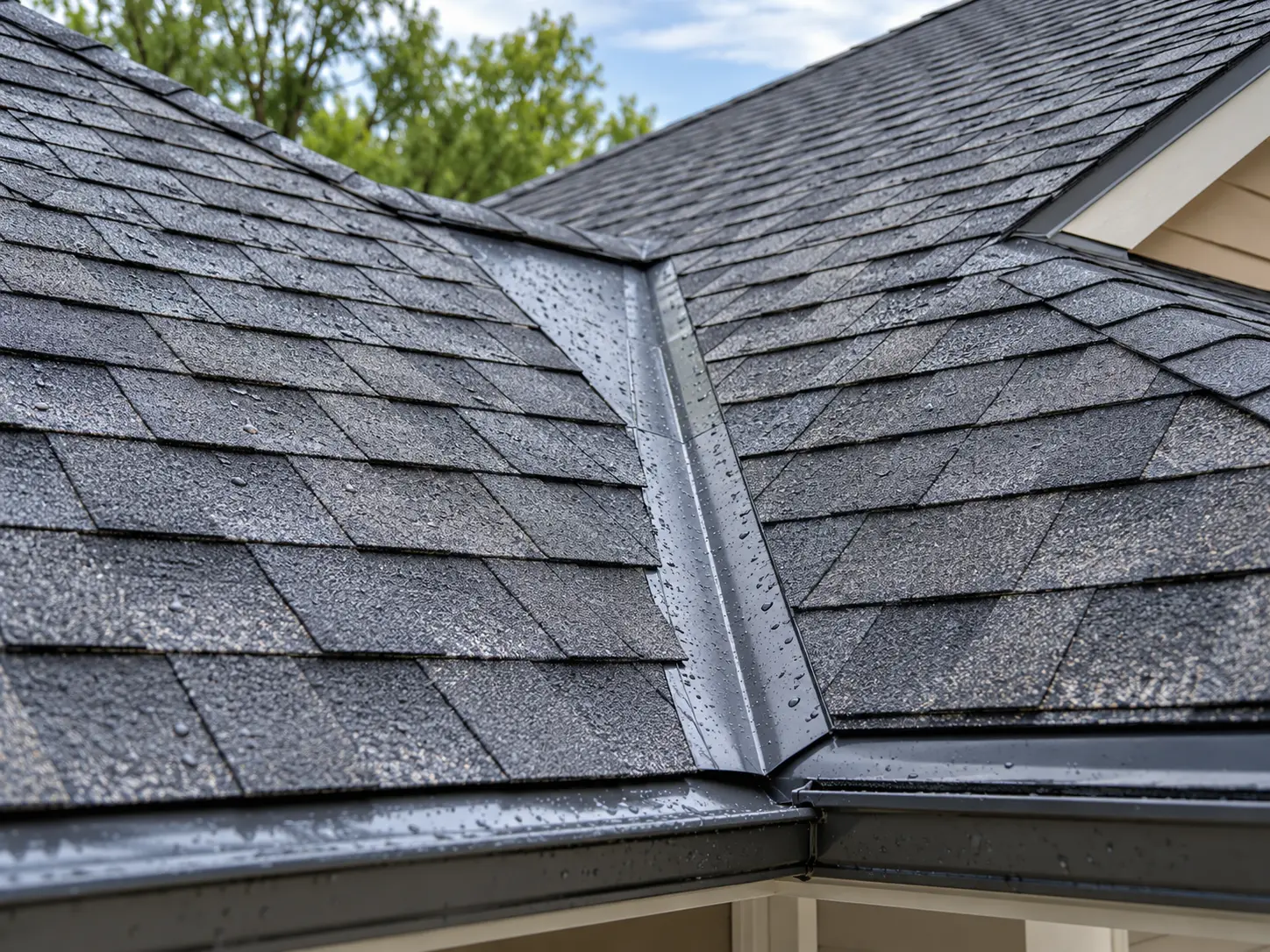
Roofing for Torrance properties

Roofing Services in Torrance, CA

A roof problem can begin with a small ceiling stain, a damaged tile, or a leak that returns whenever it rains. Before choosing a repair or committing to replacement, you need to understand what has failed, how much of the roof is affected, and what the proposed work will address.

Torrance City Roofing provides roofing services in Torrance, California, including roof repair, roof replacement, new roof installation, emergency roofing, residential roofing, commercial roofing, storm damage repair, and roof inspections.

Roofing decisions involve more than the visible covering. Roof slope, decking, underlayment, drainage, flashing, ventilation, and previous work can all affect the recommendation. Whether you own a home, manage a rental property, or look after a commercial building, start with the concern you want resolved.

Call: +1 (833) 580-6717
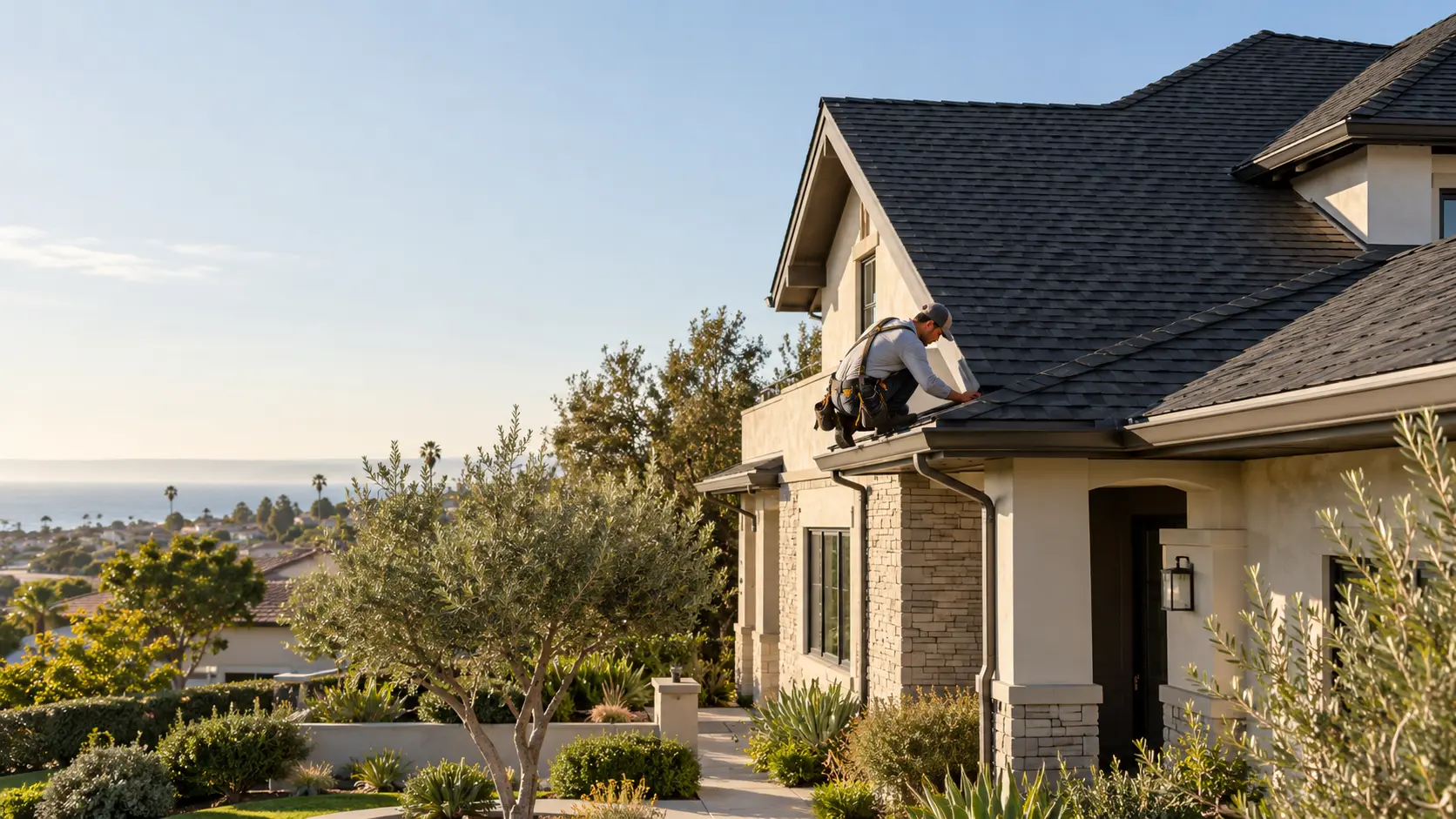
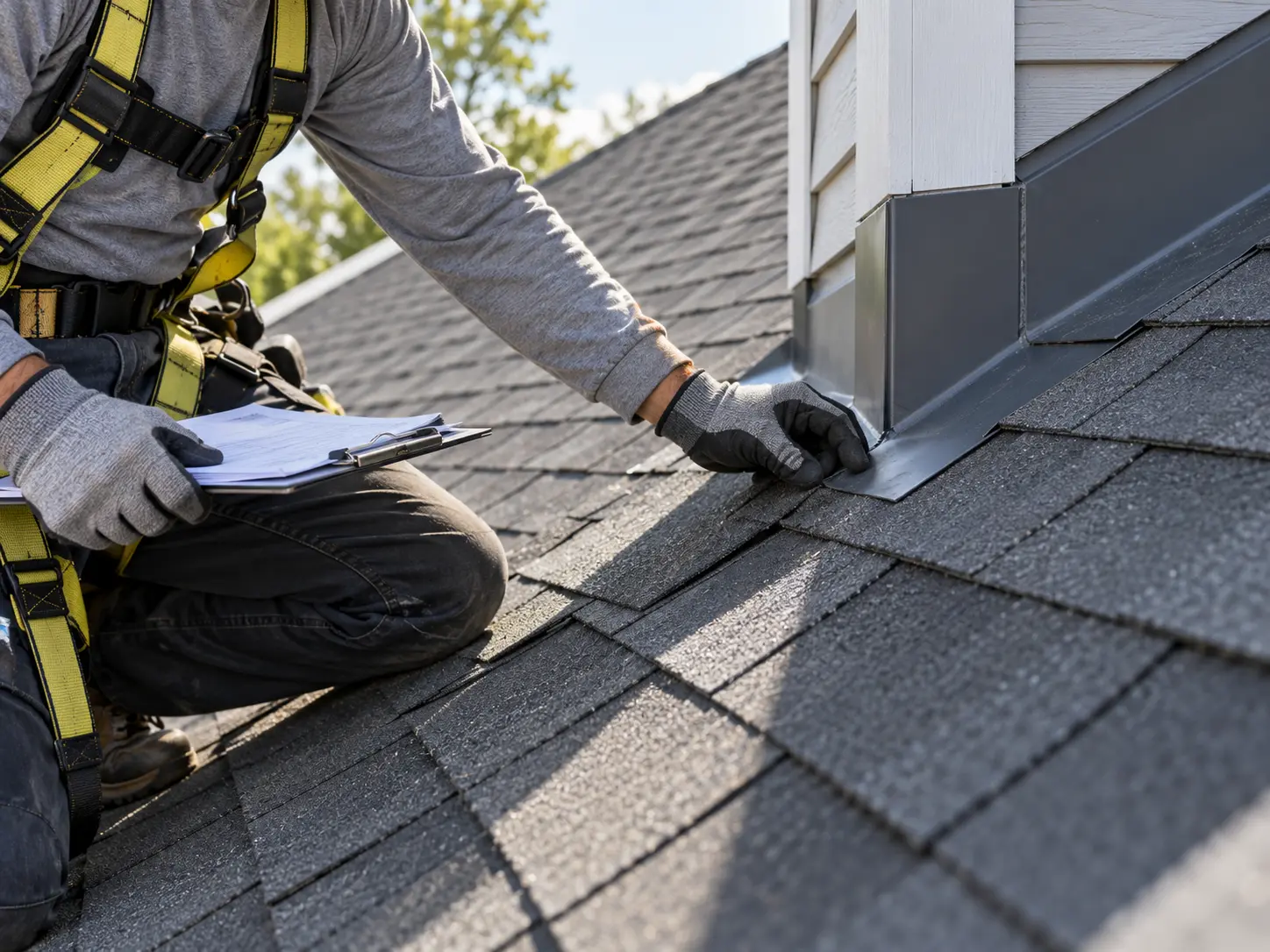
Illustrative roofer inspecting a shingle roof on a Southern California home

Immediate roofing concerns

Have an active roof leak or sudden damage?

If water is entering your property, explain that first when you call. Describe the affected rooms, whether the leak is continuing, and any visible damage observed from a safe location.

Keep people away from sagging ceilings, falling materials, and water near electrical equipment. If there is an immediate danger, leave the affected area and contact emergency services. Do not climb onto a wet, damaged, or unstable roof. Safe access and weather conditions affect what can be assessed or temporarily protected.

Temporary protection may help limit further exposure where appropriate. The underlying problem still needs evaluation and a plan for permanent correction.

Explore emergency roofing →

A practical starting point

Roofing decisions should follow the conditions found.

Different roof concerns need different approaches. These services help you identify the next step for your property.

A suitable solution needs to account for how the covering, slope, supporting layers, drainage, and flashing work together. You do not need to know the technical cause before calling.

Visible symptoms

Common roofing problems and what they can mean

A visible symptom provides a starting point, but it does not always establish the cause.

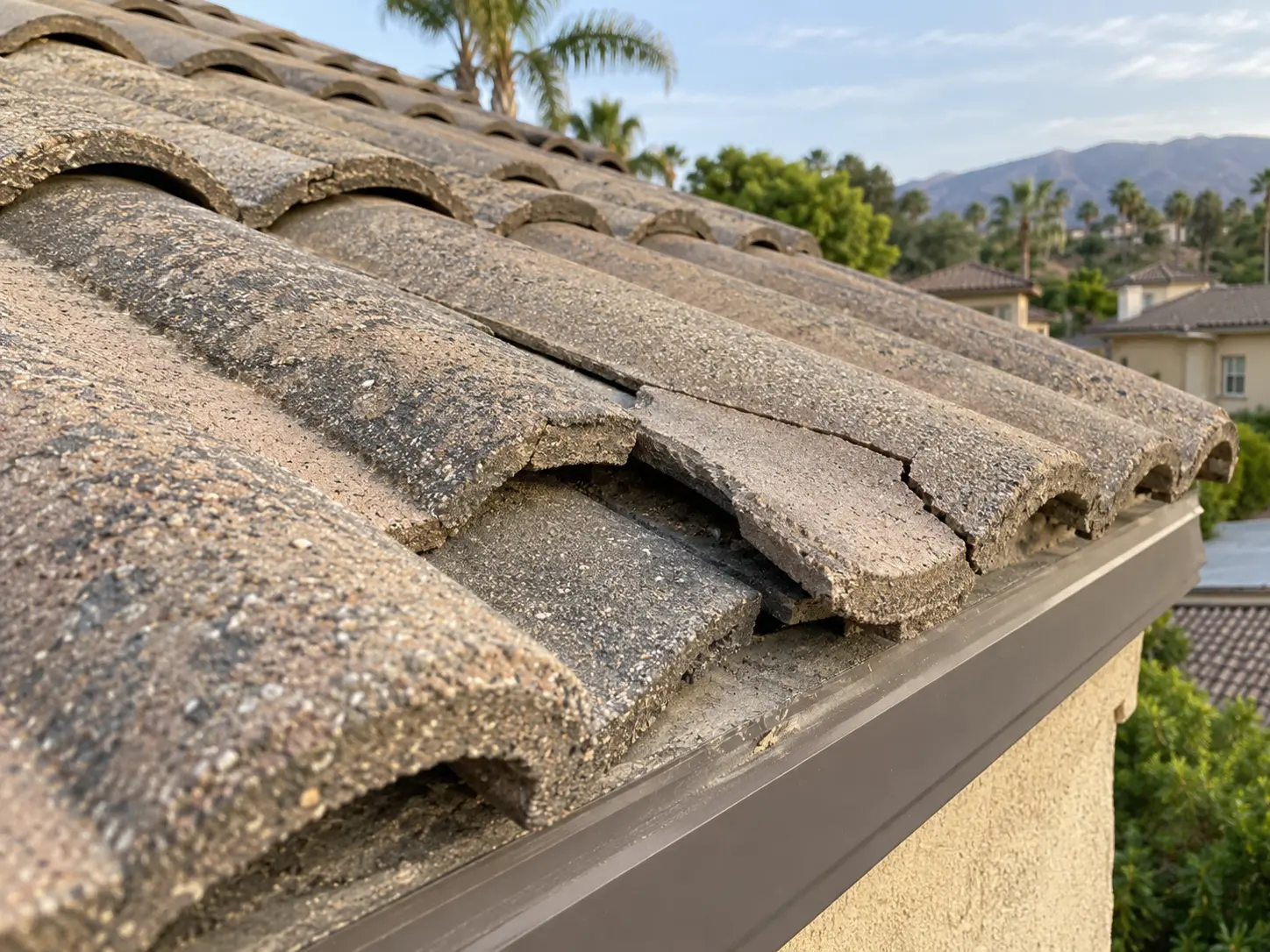
Illustrative cracked and displaced concrete roof tiles
Damaged tiles can expose layers below; the surrounding assembly also needs review.

Ceiling stains and recurring leaks

Water can travel through roofing layers or along framing before reaching the ceiling. A stain shows where moisture became visible, which may be some distance from the entry point. Recurring leaks deserve a review of the original diagnosis and previous repair scope.

Damaged shingles or tiles

Missing, cracked, lifted, or displaced materials can expose the roof to weather. The surrounding covering and lower layers also need consideration before deciding how much work is necessary.

Failed flashing

Flashing helps manage water around joints, walls, chimneys, skylights, and vents. Damaged or poorly connected flashing can cause leaks even when the main covering appears sound.

Drainage problems

Blocked outlets, concentrated runoff, or water remaining on a low-slope section may need evaluation. Clearing debris can improve flow, but it does not repair damaged roofing beneath or around the drainage route.

Previous repairs that keep failing

Repeated patching may indicate that the cause was missed, the repair material was unsuitable, or deterioration extends beyond the treated area.

Residential roofing

Homes and rental properties

Roofing work at a home should account for both the roof and the people living beneath it. A main roof, garage, patio covering, and addition may differ in materials, age, and condition. A problem in one area does not automatically mean every section needs replacement.

For occupied properties, discuss entrances, parked vehicles, pets, landscaping, and rooms requiring protection. Available attic access and previous repair records can help provide context. Rental properties also need clear arrangements for access and authorization.

Commercial roofing

Businesses and managed buildings

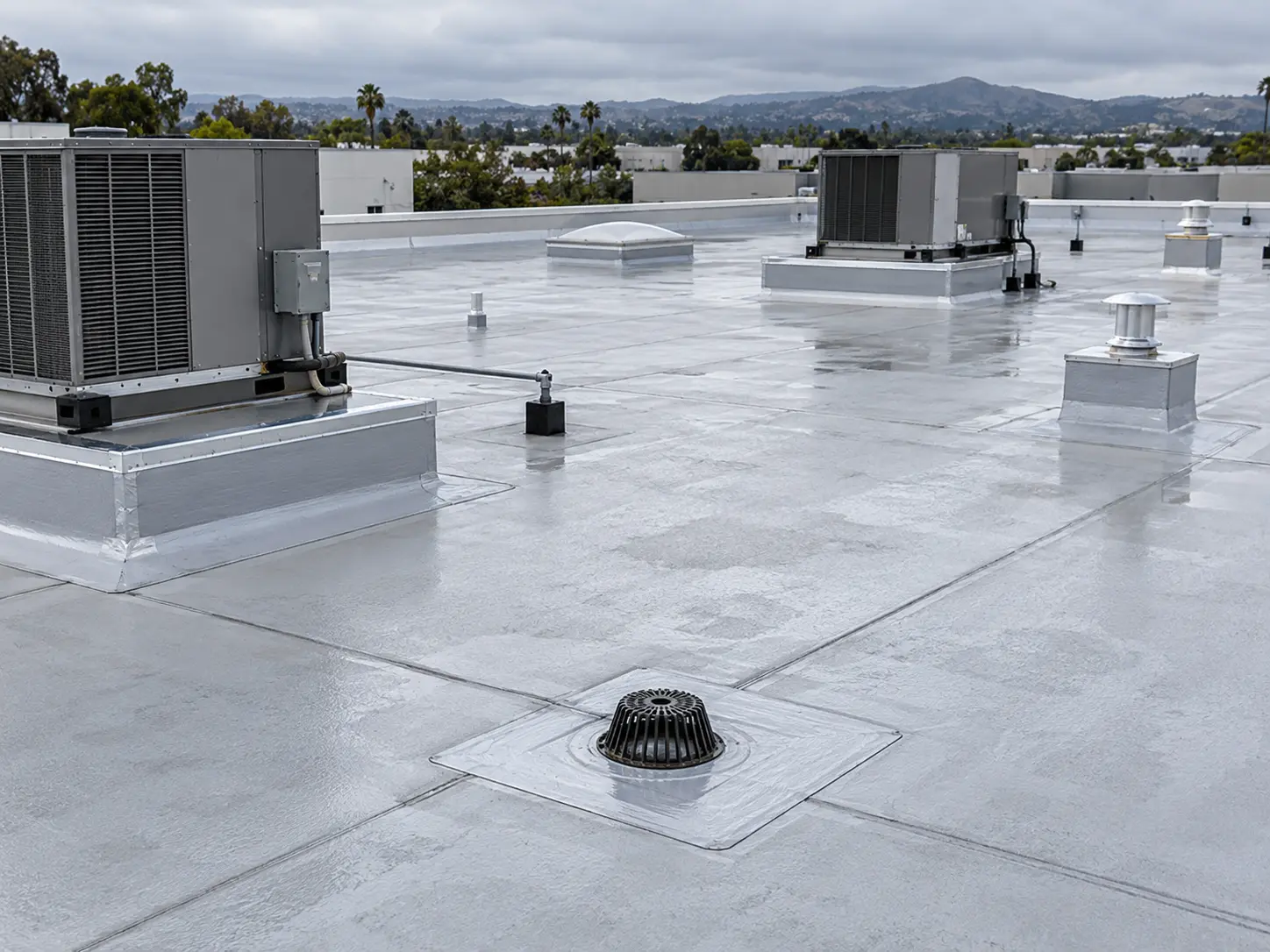
Commercial roof problems can affect stock, equipment, working areas, and customer access. Where low-slope roofing is present, evaluation may consider membrane seams, roof edges, drains, wall connections, and rooftop equipment penetrations.

Managers should identify access restrictions, sensitive interior areas, and the person authorized to approve work. A commercial proposal should explain the roof sections included, the proposed work, and coordination required with equipment or other trades.

Choosing the work

Repair, replacement, or a new roof installation?

A useful decision considers the whole condition of the roof while keeping the identified problem in focus. Ask what evidence supports the recommendation, what each option accomplishes, and what limitations remain after a smaller repair.

Roof repair that addresses the cause

A repair is most useful when it addresses a defined defect within a roof that remains suitable for continued use. The proposal should explain what problem was identified, which area will be repaired, materials used, how new work connects to the existing roof, and what limits remain.

Roof replacement when broader work is needed

Replacement becomes a consideration when deterioration affects the roof more widely or limited repairs no longer provide a practical solution. Discuss removal or retention of existing layers, decking findings, protective components, flashing, openings, drainage, and how additional work would be documented and approved.

New roof installation for construction and additions

New installation begins with planning the roof as part of the building. The selected covering needs to suit the slope, supporting structure, underlayment, flashing, ventilation where relevant, and drainage. An addition needs particular attention where new and existing work meet.

Roof inspections

Understand visible condition before you commit to work.

An inspection can help you understand visible condition before choosing maintenance, repair, or replacement. The review may consider accessible covering, flashing, roof edges, penetrations, drainage, smaller roof sections, previous repairs, and available interior evidence.

Ask which areas were examined and which could not be accessed. A visual inspection cannot establish every concealed condition or guarantee that the roof will never leak. Some questions may require additional investigation, with its scope and limitations explained before it proceeds.

What a roof evaluation may check

  • Covering condition and visible damage
  • Flashing at walls, chimneys, and openings
  • Valleys, roof edges, and attachment details
  • Drainage routes and outlets
  • Earlier repairs and roof sections of different ages or materials
  • Accessible interior evidence and ventilation where relevant
  • Decking where exposed or accessible

Decking is the supporting surface beneath roofing layers. Its condition may remain uncertain while fully covered. Findings should separate visible defects from conditions that need further investigation.

Emergency roofing and storm damage

Urgent protection and storm assessment have different priorities.

Emergency roofing focuses on immediate concerns: active water entry, sudden exposure, and unsafe areas. Temporary protection may be considered where suitable and safely accessible. Describe current water entry and affected areas when calling.

If there is an immediate danger involving collapse, electricity, or falling materials, leave the area and contact emergency services.

Storm damage assessment focuses on what was affected and the work needed to restore the roof. Displaced covering, debris impact, damaged flashing, and changes in leak patterns may all be relevant.

Keep safely available photographs and records of when symptoms appeared. An evaluation should distinguish new damage from older deterioration where possible. Insurance coverage depends on the policy and insurer’s assessment.

Leak diagnosis

Finding the source of a roof leak

The location of an interior drip can be misleading. Water may enter farther uphill, follow an underlayment layer, move along framing, and appear somewhere else inside.

The goal is to connect interior evidence with roof conditions and identify a repair scope supported by the findings.

Useful information when you call

  • When the leak started
  • Whether it happens during every rain
  • Whether wind direction appears to affect it
  • Which rooms are affected
  • What previous repairs involved
  • Whether symptoms changed after new equipment or roof openings were added

This history helps focus the investigation, but it does not replace evaluation.

Materials and systems

The roof covering is only one part of the system.

Material choice affects appearance, maintenance, installation details, and suitability for the building. Discuss system compatibility before selecting a repair or replacement approach.

Asphalt shingle roofing

Underlayment, fastening, flashing, ventilation, and edge details contribute to performance. Repair and replacement materials need to suit the existing assembly.

Tile roofing

Tile roofs require attention to broken or displaced tiles, layers below them, attachment, and flashing. An intact-looking surface does not establish every lower layer is sound.

Low-slope roofing

Seams, edges, wall connections, equipment openings, and reliable drainage can become important investigation points. Water remaining on the surface deserves assessment.

Connections between roof types

A property may have more than one roof system. The junction between them needs a detail suitable for both materials and the water moving through the area.

Decision guidance

Should you repair or replace your roof?

These factors guide discussion rather than establish a diagnosis on their own.

FactorRepair may be practical whenReplacement may deserve consideration when
Damage extentThe defect is limitedDeterioration affects several areas
Surrounding materialsMaterials remain usableSurrounding components are broadly worn
Leak historyA defined cause can be correctedLeaks recur across multiple sections
ConnectionsNew work can integrate reliablyReliable integration is difficult
Lower layersSupporting components are sound where assessedLower layers or decking need extensive work

Torrance conditions

Conditions that can affect roofing decisions

Exposure, roof layout, property location, and applicable requirements should be reviewed for the actual building.

Seasonal rain

Torrance has a mild coastal-influenced climate, with more rainfall in the cooler season. Flashing, valleys, and drainage routes need to manage water when rain returns after a dry period.

Sun and temperature changes

Roof surfaces experience sun and changing temperatures even in a mild climate. Materials and connections should be considered for their condition and compatibility.

Property-specific exposure

Orientation, surrounding shelter, roof shape, and proximity to the coast vary. Do not assume every Torrance roof has the same exposure or maintenance needs.

Permits and project requirements

For properties within Torrance, confirm applicable requirements with the City’s Building and Safety Division. Nearby properties require a check with their own jurisdiction.

Energy requirements

Roof projects may need review against applicable California energy requirements. Confirm the rules for the building and scope before choosing materials, including any applicable cool-roof provisions.

A practical roofing process

Clear steps before work moves forward.

A roofing project generally moves through these stages. Discuss the arrangements that apply to your property and the scope under consideration.

  1. 1

    Describe the concern

    Provide the address, property type, symptoms, repair history, and whether water is actively entering.

  2. 2

    Review access and needs

    Discuss occupants, roof access, parking, equipment, and areas requiring protection.

  3. 3

    Evaluate conditions

    The assessment should suit the concern and explain access or investigation limits.

  4. 4

    Review findings and options

    Understand what was identified, which approaches are reasonable, and what each would address.

  5. 5

    Agree on scope

    Confirm materials, affected sections, exclusions, approvals, and unexpected conditions.

  6. 6

    Complete agreed work

    Work follows the agreed scope, with changes explained and approved as necessary.

  7. 7

    Review completion

    Completion checks should match the repair or installation performed. Ask about ongoing care and any applicable warranty information.

Why proper diagnosis matters

Understand why the recommendation fits your roof.

Clear explanations, careful evaluation, practical options, and a defined scope matter before a roofing decision.

01

Symptoms are not the whole story

Two properties can show similar ceiling stains while having different causes. A useful explanation connects reported symptoms with roof findings.

02

Repair scope should match the cause

Choosing a repair from the stain alone can miss the entry point. A surface patch cannot be assumed to correct every underlying issue.

03

Replacement should be justified

Choosing replacement without reviewing wider condition can lead to an unnecessarily large project. Age provides context but should not decide the answer alone.

04

Scope should stay clear

Before hiring, ask what was found, which roof sections are included, what is excluded, and how additional conditions will be handled.

Maintenance and ongoing care

Safe observation can help you notice changes.

Record new interior stains, keep repair documents, and arrange appropriate attention to visible damage or drainage concerns. Review the roof after significant changes, such as new equipment, openings, or nearby construction.

Avoid walking on the roof or applying unfamiliar products as routine maintenance. Maintenance can address identified concerns, but it cannot guarantee every hidden defect will be found or every future leak prevented.

Choosing a roofing contractor

Compare explanations, not only prices.

Before hiring, verify the contractor’s relevant license status through CSLB, ask for insurance information, and review a clear written agreement.

  • What findings support the recommendation?
  • Which roof sections, materials, and exclusions are included?
  • Who handles required permits and inspections?
  • How will additional damage be documented and approved?
  • Are interior restoration, gutter work, or warranty terms included?

What affects roofing cost?

The price depends on work required at the property.

Roof size and shape, material type, access, removal, disposal, damage extent, flashing, drainage, and concealed conditions can all affect a scope. Ask what the proposed price includes and which conditions could require additional work.

  • Roof geometry and openings
  • Access, occupancy, and equipment restrictions
  • Existing layers and disposal
  • Material and attachment details
  • Flashing, drainage, and roof connections
  • Conditions found after materials are opened
  • Applicable permits and inspections

Service areas

Roofing service areas in Torrance and nearby communities

Provide your full address when calling. Location, access, roof condition, and the responsible building authority should be checked for the actual property.

Explore a location page for practical roofing guidance in that area.

Frequently asked questions

Questions about roofing in Torrance

Ask what the evaluation can establish, what remains uncertain, and which service is most appropriate for your property.

Does a roof leak mean I need a complete replacement?

Not necessarily. A localized flashing, covering, or penetration problem may be repairable. Widespread deterioration or repeated failures may support a larger project. The recommendation should follow the findings.

Why does my ceiling stain return after a repair?

The original repair may have missed the entry point, or surrounding materials may also be deteriorated. Review the previous scope and current conditions before repeating the same approach.

What is the difference between roof installation and replacement?

Installation generally concerns new construction, additions, or newly prepared assemblies. Replacement concerns an existing roof and includes decisions about removal, retained components, and concealed conditions.

Can roof condition be determined from photographs?

Photographs can provide useful context when taken safely. They cannot establish every hidden condition, material connection, or decking problem. Further evaluation may be needed.

What should I do while water is entering?

Keep clear of unsafe areas and describe the active leak when calling. Do not climb onto the roof. If there is an immediate danger involving collapse, electricity, or falling materials, leave the area and contact emergency services.

Do roofing projects need permits?

Requirements depend on scope and property jurisdiction. Confirm them with the responsible building authority before work and establish who handles approvals and inspections.

Can an inspection find every concealed defect?

No. Access and covered layers limit a visual inspection. Ask which areas were examined, what remains unknown, and whether further investigation is recommended.

What information should I have ready when calling?

Have the address, property type, symptoms, leak timing, previous repair details, and safely available photographs ready. You do not need to know the cause before discussing your roofing needs.

Torrance City Roofing

Discuss your roofing needs in Torrance, CA.

Whether you have an active leak, visible damage, or a larger project to plan, start with a clear understanding of the roof. Discuss the concern, explore the appropriate service, and understand the work before proceeding.