Home›Storm Damage Repair

Storm damage repair · Torrance, California

Storm Damage Roof Repair in Torrance, CA

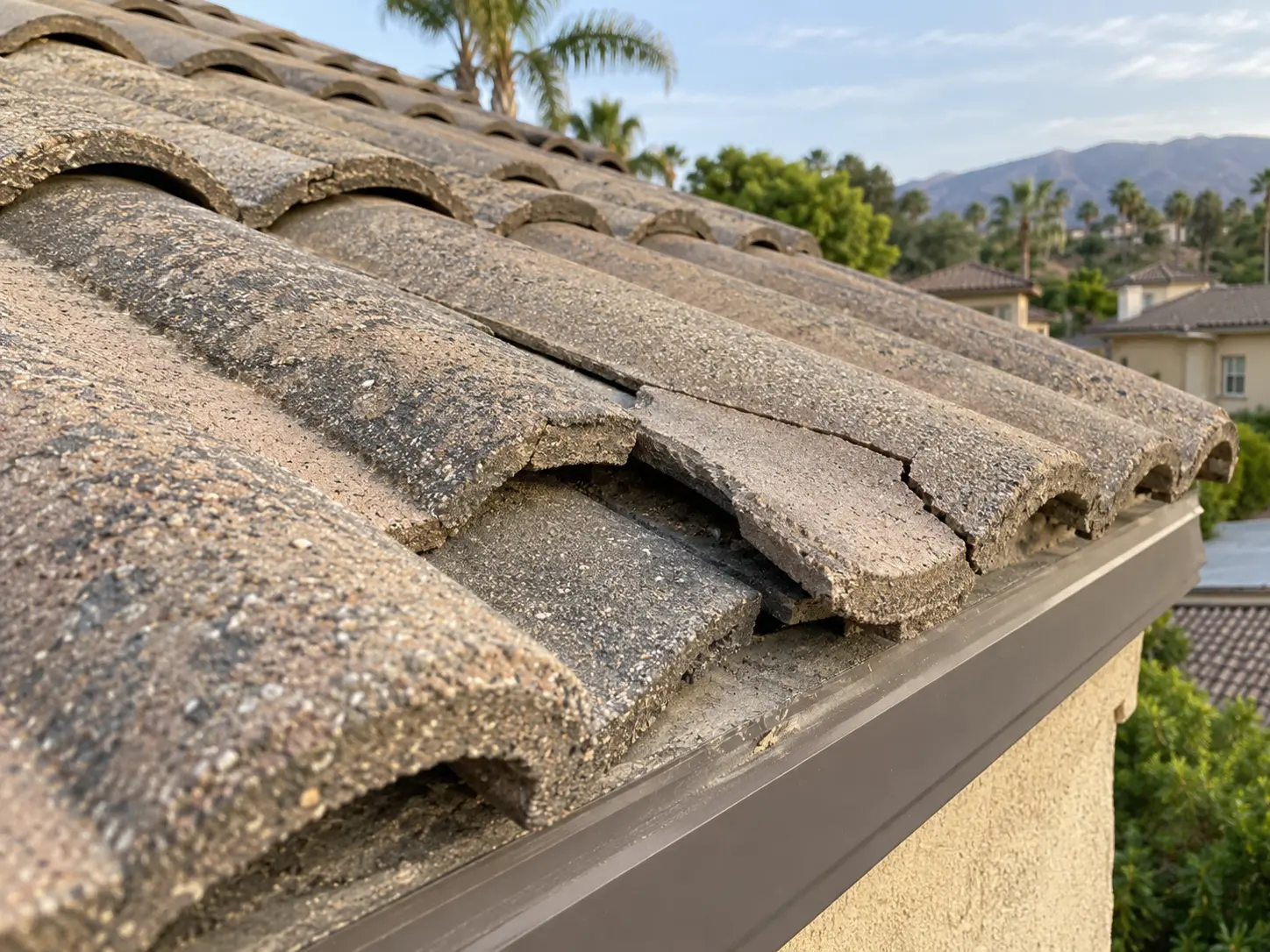
Storm damage roof repair begins with an evaluation of visible changes after wind, rain, or debris impact. The purpose is to establish what appears affected, what needs further investigation, and how the proposed work relates to the condition of the surrounding roof.

Discuss the condition you have noticed, the property’s use, and what you want the roofing work to achieve. You do not need to know the technical cause before calling.

Call: +1 (833) 580-6717

Illustrative roofing work related to storm damage repair

When to discuss storm damage repair

Visible symptoms deserve a closer look.

  • Roofing materials move, tear, crack, or appear displaced after weather
  • Debris contacts the roof or damages a visible connection
  • A new leak pattern appears during or after a storm
  • Flashing, roof edges, valleys, or roof openings look damaged

Service scope

Understand what the work is intended to address.

The evaluation should distinguish visible damage, areas requiring further investigation, and older deterioration where possible. Safely available photographs and notes about when the symptoms began can provide useful context. Insurance coverage is a separate issue determined by the policy and insurer; a roofing recommendation does not establish coverage.

A storm does not automatically mean the entire roof needs replacement. A localized repair may be possible when the change is defined and surrounding materials remain suitable. Wider damage, repeated water entry, or broader deterioration can support a replacement discussion.

For broad guidance across all roofing concerns, visit our Torrance roofing services homepage.
Materials and roof systems

Material compatibility matters.

Wind and debris can affect the covering, fasteners, flashing, edges, roof openings, and low-slope details differently. The existing roof system and the actual damaged area determine the approach.

Roof slope, structural suitability, drainage, prior work, and the details around transitions and openings should guide the approach.

What evaluation may consider

Visible condition and access limits.

  • Roofing surface and nearby materials
  • Flashing, walls, valleys, and roof edges
  • Vents, skylights, and roof penetrations
  • Drainage paths and outlets where present
  • Previous repairs and accessible interior evidence
  • Decking only where exposed or accessible

Practical roofing process

Clear steps before work is agreed.

Weather, access, occupancy, roof type, and findings at the property affect the exact arrangements.

  1. 1

    Initial conversation

    Explain the property, roofing concern, timing, previous work, and urgency.

  2. 2

    Evaluation

    Review relevant areas within safe access and identify any limits.

  3. 3

    Findings and options

    Discuss observed conditions, remaining uncertainties, and possible approaches.

  4. 4

    Agreed scope

    Confirm materials, included work, exclusions, and approval for changes.

  5. 5

    Work and review

    Complete the agreed work and review completion appropriate to the scope.

Torrance considerations

Plan for the actual property.

Seasonal rain, sun exposure, roof orientation, drainage, roof geometry, and site-specific exposure can affect roofing decisions. Do not assume every Torrance property has the same roof conditions.

For properties within Torrance, confirm project-specific permit requirements with the City’s Building and Safety Division. Projects in nearby communities should use their own local authority. California energy requirements may also apply depending on the building and scope.

Roof size, slope, complexity, access, materials, removal, disposal, flashing, drainage, openings, and concealed conditions can affect cost. Ask what the proposal includes and what could change the scope.

Location pages

Roofing guidance for Torrance service areas

Choose a nearby area page for location-specific roofing information.

Frequently asked questions

Storm Damage Repair questions

Ask what can be observed, what remains uncertain, and how the proposed work addresses the specific concern.

What should I do after a storm damages roofing?

Observe from a safe location, note new symptoms, keep clear of unsafe areas, and describe active leaks or visible changes when calling.

Does storm damage require full replacement?

No. The recommendation should follow the damage extent, surrounding roof condition, repair feasibility, and findings.

Can you guarantee insurance coverage?

No. Insurance coverage depends on the policy and the insurer’s assessment.

Why are photos useful after a storm?

Safely taken photos and notes about timing can help document reported changes, though they do not replace an evaluation.

Can an old roof also have new storm damage?

Yes. The evaluation should consider visible new changes and the condition of surrounding materials.

What if water is entering now?

Treat it as an urgent roofing concern. Do not climb onto the roof; explain affected rooms, timing, and safety concerns.

Torrance City Roofing

Discuss your storm damage repair needs.

Start with the concern you have noticed and the property you need to protect. A clear conversation helps establish the right next questions.