Home›Emergency Roofing

Urgent roofing concerns · Torrance, California

Emergency Roofing in Torrance, CA

Emergency roofing concerns active water entry, sudden roof exposure, displaced covering, and other urgent conditions. The first priority is understanding the situation, safe access, affected rooms, and what may be appropriate while the condition is assessed. It does not imply a guaranteed arrival time or a permanent repair on the first visit.

Discuss the condition you have noticed, the property’s use, and what you want the roofing work to achieve. You do not need to know the technical cause before calling.

Call: +1 (833) 580-6717

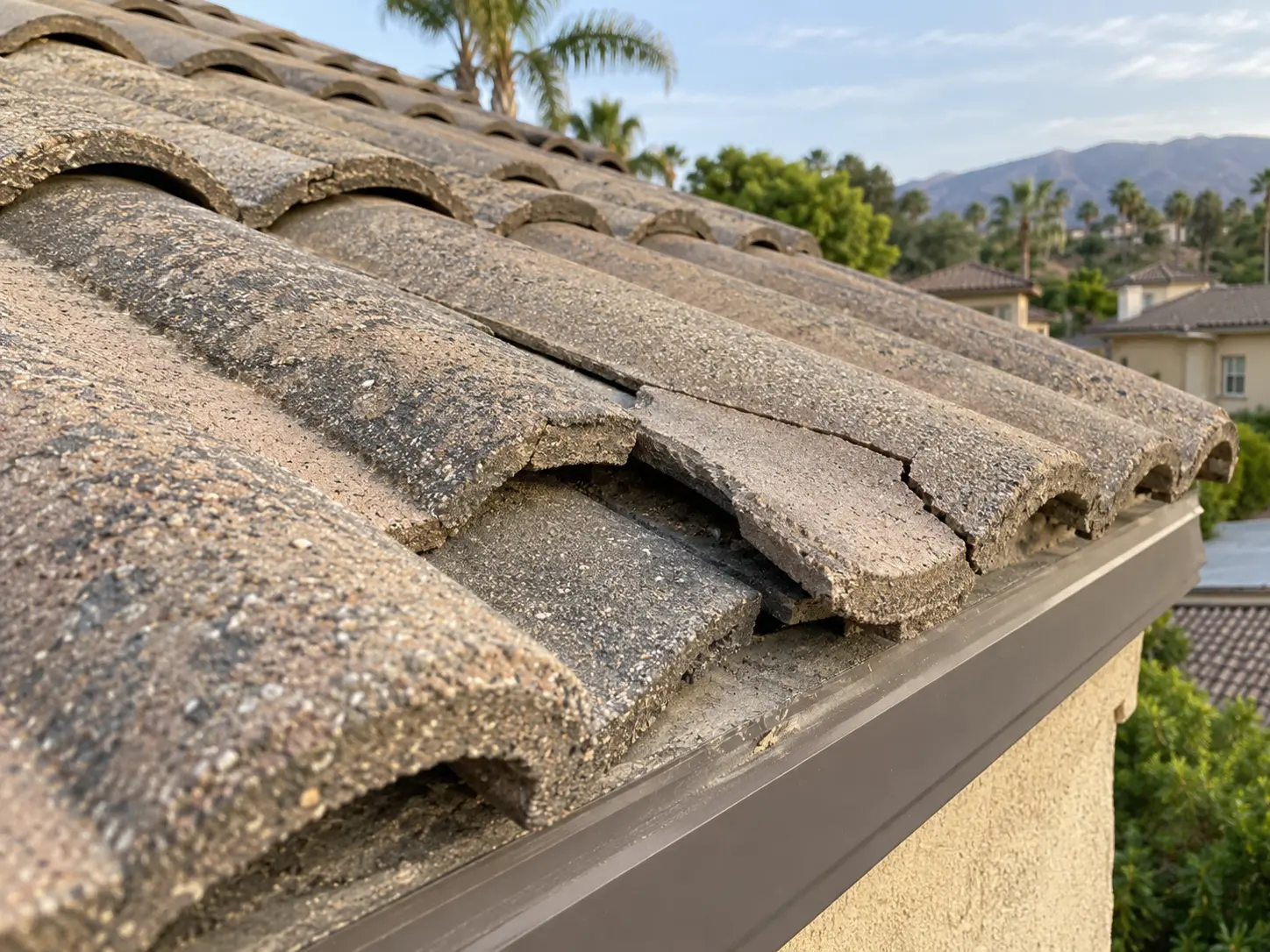
Illustrative roofing work related to emergency roofing

When to discuss emergency roofing

Visible symptoms deserve a closer look.

  • Water is actively entering a room or building area
  • Roofing is displaced or damaged after weather or debris impact
  • A roof opening appears to expose part of the building
  • A sagging ceiling, falling material, or water near electrical equipment creates a safety concern

Service scope

Understand what the work is intended to address.

Describe what you can see safely from the ground or inside the property, when the condition began, and whether water entry is continuing. Temporary protection may help limit exposure where conditions and safe access allow; permanent correction should address the identified cause after evaluation.

Urgent protection, leak diagnosis, storm-damage assessment, and permanent repair have different purposes. A visible storm change does not automatically establish that the whole roof needs replacement, and a temporary measure does not establish that the underlying condition is resolved.

For broad guidance across all roofing concerns, visit our Torrance roofing services homepage.

Materials and roof systems

Material compatibility matters.

The appropriate temporary or permanent approach depends on the existing roof type, weather, access, damage location, and surrounding condition. Do not apply unfamiliar products or climb onto a wet, damaged, or unstable roof.

Roof slope, structural suitability, drainage, prior work, and the details around transitions and openings should guide the approach.

What evaluation may consider

Visible condition and access limits.

  • Roofing surface and nearby materials
  • Flashing, walls, valleys, and roof edges
  • Vents, skylights, and roof penetrations
  • Drainage paths and outlets where present
  • Previous repairs and accessible interior evidence
  • Decking only where exposed or accessible

Practical roofing process

Clear steps before work is agreed.

Weather, access, occupancy, roof type, and findings at the property affect the exact arrangements.

  1. 1

    Initial conversation

    Explain the property, roofing concern, timing, previous work, and urgency.

  2. 2

    Evaluation

    Review relevant areas within safe access and identify any limits.

  3. 3

    Findings and options

    Discuss observed conditions, remaining uncertainties, and possible approaches.

  4. 4

    Agreed scope

    Confirm materials, included work, exclusions, and approval for changes.

  5. 5

    Work and review

    Complete the agreed work and review completion appropriate to the scope.

Torrance considerations

Plan for the actual property.

Seasonal rain, sun exposure, roof orientation, drainage, roof geometry, and site-specific exposure can affect roofing decisions. Do not assume every Torrance property has the same roof conditions.

For properties within Torrance, confirm project-specific permit requirements with the City’s Building and Safety Division. Projects in nearby communities should use their own local authority. California energy requirements may also apply depending on the building and scope.

Roof size, slope, complexity, access, materials, removal, disposal, flashing, drainage, openings, and concealed conditions can affect cost. Ask what the proposal includes and what could change the scope.

Location pages

Roofing guidance for Torrance service areas

Choose a nearby area page for location-specific roofing information.

Frequently asked questions

Emergency Roofing questions

Ask what can be observed, what remains uncertain, and how the proposed work addresses the specific concern.

What should I say when calling about an urgent roof problem?

Describe active water entry, affected rooms, visible damage, when it began, weather conditions, and any safely available photographs.

Do you guarantee emergency arrival times?

No arrival-time or availability guarantee is stated. Conditions at the property, weather, access, and current availability affect next steps.

Should I climb on the roof to cover a leak?

No. Do not climb onto a wet, damaged, or unstable roof. Keep clear of unsafe areas.

Does temporary protection fix the cause?

Not necessarily. It may help limit exposure while the roof is assessed, but permanent work should address the identified condition.

Does storm damage mean replacement is necessary?

Not automatically. The damage extent, surrounding roofing, repair feasibility, and other findings need evaluation.

When should emergency services be called?

If there is immediate danger from collapse, electricity, falling materials, or another serious hazard, leave the affected area and contact the appropriate emergency service.

Torrance City Roofing

Discuss your emergency roofing needs.

Start with the concern you have noticed and the property you need to protect. A clear conversation helps establish the right next questions.