Home›Roof Inspection

Roof inspection · Torrance, California

Roof Inspection in Torrance, CA

A roof inspection helps property owners understand accessible roof condition, visible concerns, and questions that may need further investigation. It can be useful before maintenance, repair, replacement, a property decision, or after a reported leak or visible change.

Discuss the condition you have noticed, the property’s use, and what you want the roofing work to achieve. You do not need to know the technical cause before calling.

Call: +1 (833) 580-6717

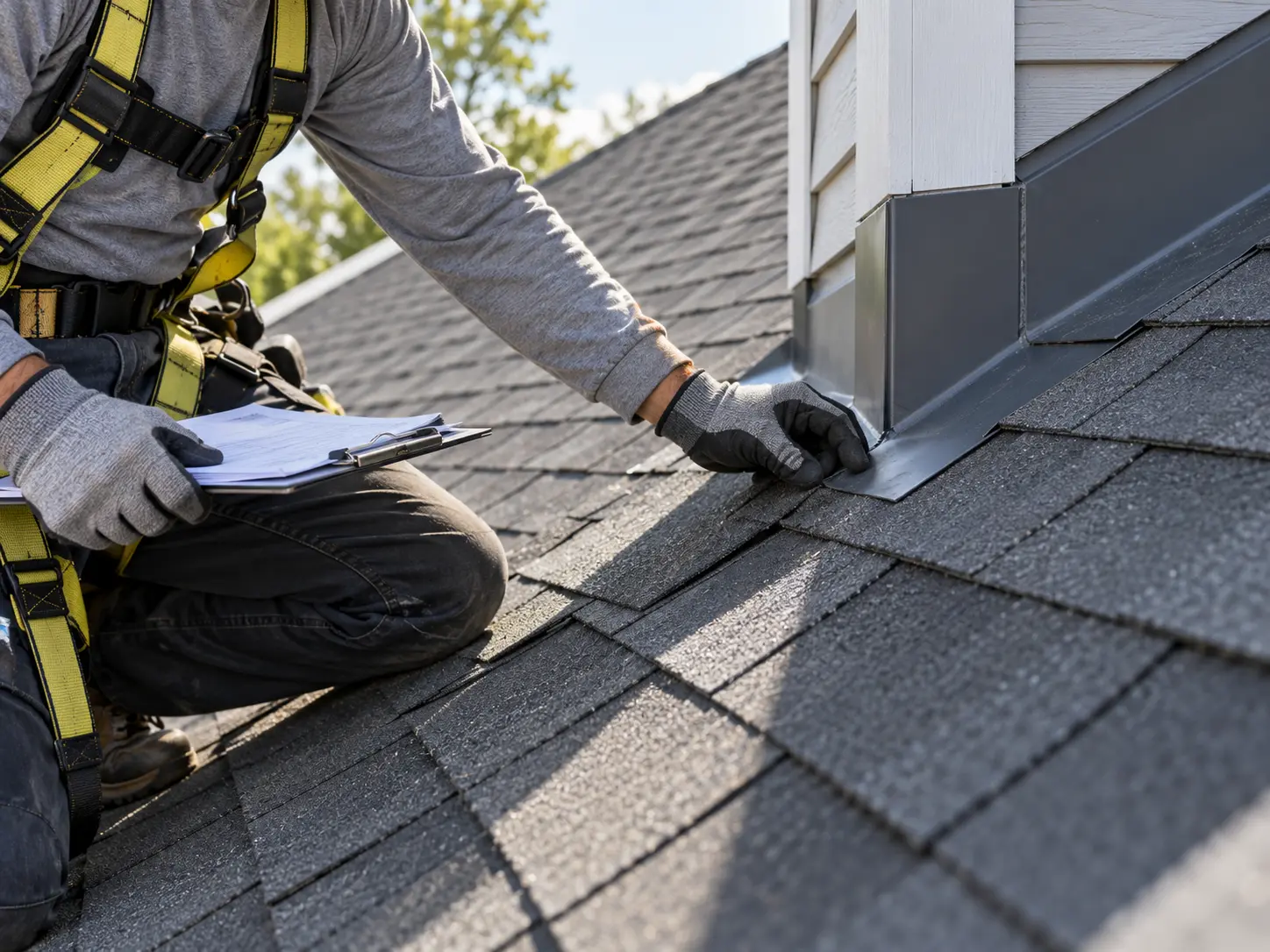
Illustrative roofing work related to roof inspection

When to discuss roof inspection

Visible symptoms deserve a closer look.

  • A roof leak, ceiling stain, or visible roof change needs context
  • An aging roof needs condition information before a major decision
  • Previous repairs, flashing, or drainage concerns need review
  • A home, rental property, or commercial building has several roof areas or materials

Service scope

Understand what the work is intended to address.

The review may include accessible covering, flashing, openings, roof edges, valleys, drainage, previous repairs, and visible interior evidence of moisture. Ask which areas were reviewed and what could not be accessed. A visual inspection cannot establish every concealed defect or guarantee future leak-free performance.

Inspection and leak diagnosis are related but different. An inspection reviews condition within an agreed scope. Leak diagnosis investigates how moisture may enter and reach the area where it becomes visible. Further investigation may be needed when conditions are concealed.

For broad guidance across all roofing concerns, visit our Torrance roofing services homepage.

Materials and roof systems

Material compatibility matters.

Material type affects what can be observed. Shingles, tile, low-slope systems, connections between different materials, and roof openings each require their own evaluation considerations.

Roof slope, structural suitability, drainage, prior work, and the details around transitions and openings should guide the approach.

What evaluation may consider

Visible condition and access limits.

  • Roofing surface and nearby materials
  • Flashing, walls, valleys, and roof edges
  • Vents, skylights, and roof penetrations
  • Drainage paths and outlets where present
  • Previous repairs and accessible interior evidence
  • Decking only where exposed or accessible

Practical roofing process

Clear steps before work is agreed.

Weather, access, occupancy, roof type, and findings at the property affect the exact arrangements.

  1. 1

    Initial conversation

    Explain the property, roofing concern, timing, previous work, and urgency.

  2. 2

    Evaluation

    Review relevant areas within safe access and identify any limits.

  3. 3

    Findings and options

    Discuss observed conditions, remaining uncertainties, and possible approaches.

  4. 4

    Agreed scope

    Confirm materials, included work, exclusions, and approval for changes.

  5. 5

    Work and review

    Complete the agreed work and review completion appropriate to the scope.

Torrance considerations

Plan for the actual property.

Seasonal rain, sun exposure, roof orientation, drainage, roof geometry, and site-specific exposure can affect roofing decisions. Do not assume every Torrance property has the same roof conditions.

For properties within Torrance, confirm project-specific permit requirements with the City’s Building and Safety Division. Projects in nearby communities should use their own local authority. California energy requirements may also apply depending on the building and scope.

Roof size, slope, complexity, access, materials, removal, disposal, flashing, drainage, openings, and concealed conditions can affect cost. Ask what the proposal includes and what could change the scope.

Location pages

Roofing guidance for Torrance service areas

Choose a nearby area page for location-specific roofing information.

Frequently asked questions

Roof Inspection questions

Ask what can be observed, what remains uncertain, and how the proposed work addresses the specific concern.

What does a roof inspection cover?

The agreed scope may include accessible roofing materials, flashing, openings, drainage, previous repairs, and interior moisture evidence.

Can an inspection find every hidden problem?

No. Access and covered layers limit what can be seen. Ask what remains unknown and whether further investigation is recommended.

Is a roof inspection the same as leak diagnosis?

No. Inspection reviews condition; leak diagnosis focuses on how moisture may enter and travel to the visible symptom.

Can an inspection help decide between repair and replacement?

It can provide visible-condition information and identify questions that affect the decision, but the final recommendation depends on the findings and proposed scope.

Should a commercial roof be inspected differently?

The review should reflect the actual assembly, drainage, equipment, penetrations, access, and building use.

What information should I have ready?

Address, property type, symptoms, leak timing, previous repair details, and safely available photographs can all be useful.

Torrance City Roofing

Discuss your roof inspection needs.

Start with the concern you have noticed and the property you need to protect. A clear conversation helps establish the right next questions.