Home›Commercial Roofing

Commercial roofing · Torrance, California

Commercial Roofing in Torrance, CA

Commercial roofing considers roof condition alongside building operations. A commercial property may have a pitched roof, a low-slope area, or more than one roofing system. Drainage, roof openings, equipment, access, deliveries, tenants, and sensitive interior areas can all affect planning.

Discuss the condition you have noticed, the property’s use, and what you want the roofing work to achieve. You do not need to know the technical cause before calling.

Call: +1 (833) 580-6717

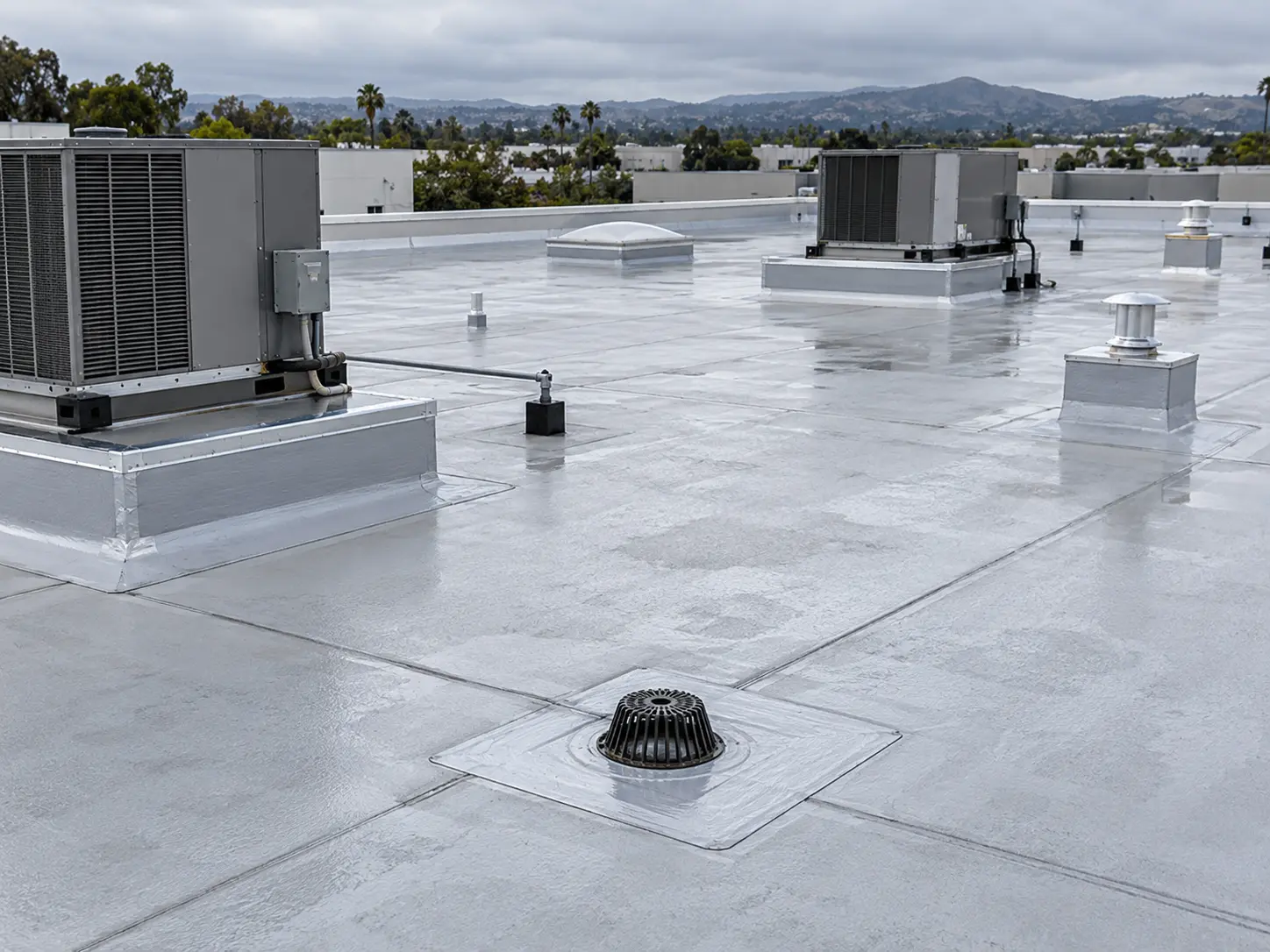
Illustrative roofing work related to commercial roofing

When to discuss commercial roofing

Visible symptoms deserve a closer look.

  • A leak affects tenant areas, equipment, inventory, or operating space
  • Water remains on a low-slope roof or drains poorly
  • Roof equipment, seams, edges, or penetrations need evaluation
  • A manager needs a clear scope, access plan, and approval process

Service scope

Understand what the work is intended to address.

Commercial evaluation may consider membrane seams where present, drainage outlets, roof edges, wall connections, penetrations, rooftop equipment connections, and the relationship between roof sections. Identify the person who can authorize access and approve changes before the project is scheduled.

A local commercial repair may be practical when a defect is defined and surrounding roofing remains workable. Broader deterioration, recurring concerns, or widespread drainage and connection issues can warrant a replacement evaluation. Do not assume every commercial building has a flat roof.

For broad guidance across all roofing concerns, visit our Torrance roofing services homepage.

Materials and roof systems

Material compatibility matters.

Low-slope assemblies, shingles, tile, and other roofing systems have different conditions and details. A suitable system depends on the building, roof geometry, drainage, existing assembly, and project requirements.

Roof slope, structural suitability, drainage, prior work, and the details around transitions and openings should guide the approach.

What evaluation may consider

Visible condition and access limits.

  • Roofing surface and nearby materials
  • Flashing, walls, valleys, and roof edges
  • Vents, skylights, and roof penetrations
  • Drainage paths and outlets where present
  • Previous repairs and accessible interior evidence
  • Decking only where exposed or accessible

Practical roofing process

Clear steps before work is agreed.

Weather, access, occupancy, roof type, and findings at the property affect the exact arrangements.

  1. 1

    Initial conversation

    Explain the property, roofing concern, timing, previous work, and urgency.

  2. 2

    Evaluation

    Review relevant areas within safe access and identify any limits.

  3. 3

    Findings and options

    Discuss observed conditions, remaining uncertainties, and possible approaches.

  4. 4

    Agreed scope

    Confirm materials, included work, exclusions, and approval for changes.

  5. 5

    Work and review

    Complete the agreed work and review completion appropriate to the scope.

Torrance considerations

Plan for the actual property.

Seasonal rain, sun exposure, roof orientation, drainage, roof geometry, and site-specific exposure can affect roofing decisions. Do not assume every Torrance property has the same roof conditions.

For properties within Torrance, confirm project-specific permit requirements with the City’s Building and Safety Division. Projects in nearby communities should use their own local authority. California energy requirements may also apply depending on the building and scope.

Roof size, slope, complexity, access, materials, removal, disposal, flashing, drainage, openings, and concealed conditions can affect cost. Ask what the proposal includes and what could change the scope.

Related services

Explore the next relevant roofing topic.

Location pages

Roofing guidance for Torrance service areas

Choose a nearby area page for location-specific roofing information.

Frequently asked questions

Commercial Roofing questions

Ask what can be observed, what remains uncertain, and how the proposed work addresses the specific concern.

Does commercial roofing always mean a flat roof?

No. Commercial buildings may have pitched roofs, low-slope roofs, or a combination of systems.

What should a property manager provide during a roofing call?

Describe the building use, affected rooms, access limitations, roof equipment, tenant needs, previous repairs, and authorization process.

Why do rooftop penetrations matter?

Each opening interrupts the roof surface and needs suitable water-shedding details around the connection.

Can ponding water be ignored?

Water remaining on a low-slope roof can indicate a drainage concern. Geometry, outlets, obstructions, and duration should be evaluated.

How should commercial work be coordinated?

Discuss roof access, tenant impact, deliveries, working areas, equipment servicing, decision makers, and scope-change approvals.

What affects commercial roofing cost?

Roof size, system type, drainage, access, equipment, penetrations, staging, removal, materials, operating constraints, and concealed conditions can affect cost.

Torrance City Roofing

Discuss your commercial roofing needs.

Start with the concern you have noticed and the property you need to protect. A clear conversation helps establish the right next questions.