Interior stains or active leaks
A stain indicates moisture, but not necessarily the point of entry. Note the room, timing, weather, and whether prior repairs changed the symptom.
Home›Victoria Knolls
Victoria Knolls · Torrance, California
Roof condition, drainage, flashing, and the details around roof openings all affect the next step. Discuss the concern you have noticed before choosing a repair or a larger project.
Victoria Knolls is a Torrance neighborhood associated with the Walteria area. Its elevated and sloped setting makes property-specific roof planning especially important. A roof’s pitch, access, valley layout, roof-to-wall connections, and drainage path can all affect what can be evaluated safely and how work should be planned.
Call: +1 (833) 580-6717
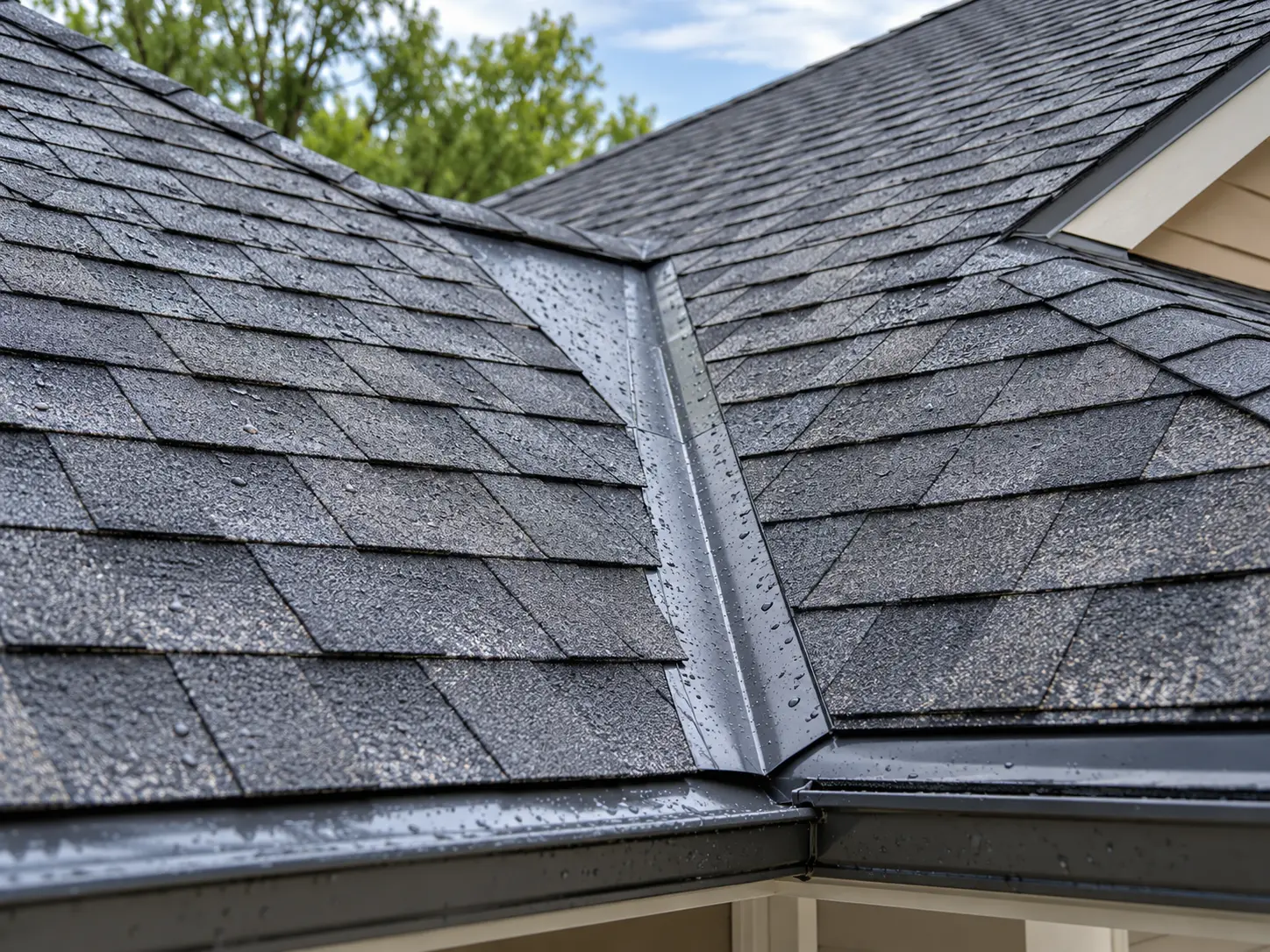
Immediate roofing concerns
If water is actively entering, explain which rooms are affected, when it started, and whether it changes during rain or wind. Keep people away from sagging ceilings, falling materials, and water near electrical equipment.
Do not climb onto a wet, damaged, or unstable roof. Temporary protection and permanent correction have different purposes; the underlying condition still needs evaluation.
Roofing in Victoria Knolls
Do not assume every Victoria Knolls property has the same elevation, views, exposure, or roof geometry. Explain the actual concern and any access limitations when calling. For a Torrance property, confirm permit requirements with the City of Torrance before a major repair, replacement, or new installation proceeds.
A roof on a sloped site may need careful consideration of access, material handling, drainage, and the connections where roof planes meet. Wind direction and rain can also make a leak appear only under particular conditions.
For broad information about repairs, inspections, materials, and roofing decisions, visit our Torrance roofing services homepage.
Services to explore
Choose the service that best matches the concern. Each service opens its own detailed page.
Localized damage, flashing concerns, and recurring leaks where surrounding roofing may remain usable.
Open service page →ServiceBroader renewal planning when deterioration or repair limitations deserve evaluation.
Open service page →ServiceNew roof assemblies for additions, new construction, and newly prepared roof areas.
Open service page →ServiceActive water entry, sudden exposure, and other urgent roofing concerns.
Open service page →ServiceRoofing decisions for homes, rental properties, garages, additions, and occupied spaces.
Open service page →ServiceRoofing for buildings in use, including drainage, openings, access, and coordination.
Open service page →ServiceEvaluation after wind, rain, or debris changes a roof’s visible condition.
Open service page →ServiceA review of accessible roof condition before maintenance, repair, or replacement decisions.
Open service page →What deserves attention
Water can travel through an assembly before appearing indoors.
A stain indicates moisture, but not necessarily the point of entry. Note the room, timing, weather, and whether prior repairs changed the symptom.
Missing shingles, cracked tiles, lifted material, or worn edges can expose lower layers. The nearby materials also need review.
Walls, chimneys, skylights, vents, and equipment interrupt the roof surface. Their connections can be as important as the main covering.
Standing water on a low-slope area, concentrated runoff, or repairs that keep failing may point to a broader condition needing evaluation.
Residential roofing
Homes, garages, porches, patios, and additions may have different slopes, materials, or drainage arrangements. Discuss access, parked vehicles, pets, landscaping, attic access, and rooms needing protection before a scope is agreed.
A repair should explain how it connects to existing roofing. A replacement should consider the complete assembly, not only surface color or appearance.
Commercial roofing
Commercial properties may include pitched or low-slope roof areas. Drainage, seams where present, wall connections, rooftop equipment, access limits, deliveries, and sensitive interior spaces can affect planning.
Clarify who can authorize roof access, coordinate occupants, and approve changes if conditions discovered during work affect the scope.
Choosing the work
Roof age provides context, but it should not decide the answer alone. The condition, damage extent, repair history, compatible materials, and accessible lower layers matter.
A localized repair may be practical when the defect is defined, accessible, and surrounded by roofing that can remain serviceable.
Broader renewal deserves discussion when deterioration affects several areas, repairs keep expanding, or the existing assembly no longer supports reliable limited work.
New installation is for new construction, additions, or a newly prepared roof assembly. It is different from replacing an existing roof.
Roof evaluation
Visible findings and concealed conditions are different. The review should explain what was accessible, what was observed, and what may require further investigation.
A practical process
Share the address, property type, symptoms, urgency, and previous roof work.
Discuss occupants, equipment, parking, roof access, and areas requiring protection.
The assessment should suit the concern and explain access or investigation limits.
Discuss observed conditions, remaining questions, and reasonable options.
Confirm included work, materials, exclusions, approvals, and changes if hidden conditions are found.
Completion checks should match the agreed repair, replacement, or installation.
Cost and scope factors
Roof size, slope, complexity, material, access, removal, disposal, flashing, drainage, roof openings, and conditions revealed during work can all affect cost. Ask what is included and how any additional work will be documented and approved.
Choosing a contractor
Verify relevant California contractor license status and ask for applicable insurance information.
Nearby service areas
Location names help identify the property, but permit authority and conditions should always be confirmed for the actual address.
Frequently asked questions
For a specific property, the most useful next step is a conversation about the roof condition and what you have observed.
It can. Access, material handling, roof geometry, drainage, and safe evaluation conditions may all affect the project plan.
A repair may be possible when the cause and surrounding condition support it. Valleys should be evaluated with adjoining roofing and water flow in mind.
A leak that changes with wind-driven rain can help focus the investigation on certain roof details, though it does not prove the cause alone.
Yes. Installation is for new construction, additions, or new roof assemblies; replacement deals with an existing roof and its existing layers.
It should identify affected sections, materials, connection details, exclusions, and how unexpected findings will be handled.
No. Site orientation, shelter, roof shape, and exposure differ by property.
Torrance City Roofing
Whether you have a roof leak, visible damage, a roof replacement question, or an inspection concern, start with the property and the condition you have noticed.
Services
Select a service to go directly to the relevant information.
Service areas
Open the dedicated roofing page for your area.