Home›Roof Installation

New roof installation · Torrance, California

Roof Installation in Torrance, CA

Roof installation focuses on a new roof assembly for new construction, an addition, or another newly prepared roof area. The goal is to coordinate the covering with slope, supporting structure, underlayment, flashing, roof openings, ventilation where relevant, and drainage before installation begins.

Discuss the condition you have noticed, the property’s use, and what you want the roofing work to achieve. You do not need to know the technical cause before calling.

Call: +1 (833) 580-6717

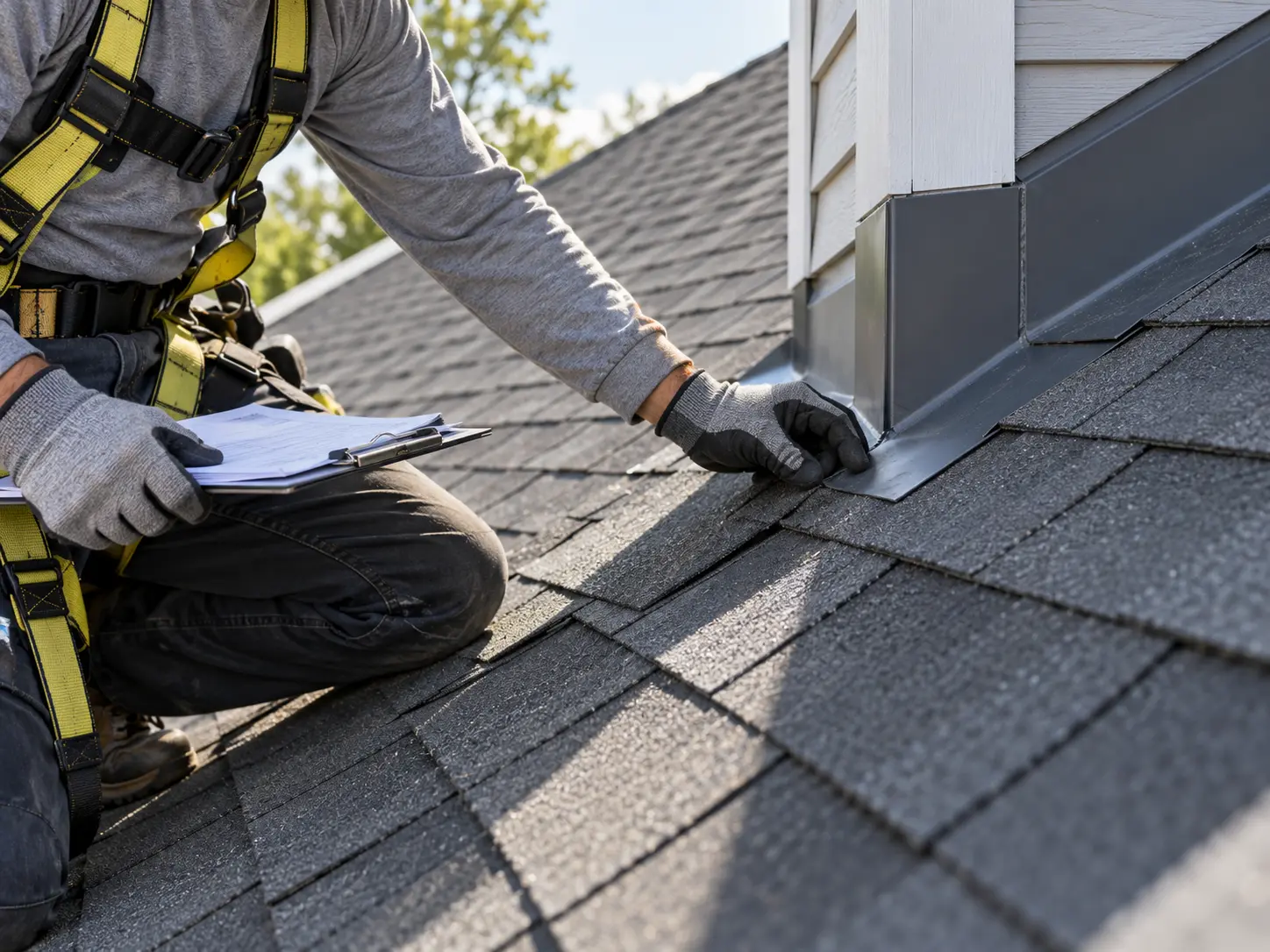
Illustrative roofing work related to roof installation

When to discuss roof installation

Visible symptoms deserve a closer look.

  • A new building or addition needs a coordinated roof assembly
  • A newly created roof area must connect with existing walls or roof planes
  • New skylights, vents, or equipment openings need suitable details
  • Material selection must match the roof slope and building conditions

Service scope

Understand what the work is intended to address.

A new installation should clarify how the roof connects with walls, adjoining roof areas, valleys, roof edges, openings, and drainage. Appearance is one decision, but the assembly must also suit the roof geometry and construction. Ask which design decisions and installation details are included.

New installation is not the same as replacement. Replacement starts with an existing roof and existing layers. Installation begins with a new roof area and should resolve the assembly details before the covering is selected.

For broad guidance across all roofing concerns, visit our Torrance roofing services homepage.

Materials and roof systems

Material compatibility matters.

A material should not be chosen by appearance alone. Asphalt shingles, tile, and low-slope systems have different slope, support, flashing, attachment, and drainage needs.

Roof slope, structural suitability, drainage, prior work, and the details around transitions and openings should guide the approach.

What evaluation may consider

Visible condition and access limits.

  • Roofing surface and nearby materials
  • Flashing, walls, valleys, and roof edges
  • Vents, skylights, and roof penetrations
  • Drainage paths and outlets where present
  • Previous repairs and accessible interior evidence
  • Decking only where exposed or accessible

Practical roofing process

Clear steps before work is agreed.

Weather, access, occupancy, roof type, and findings at the property affect the exact arrangements.

  1. 1

    Initial conversation

    Explain the property, roofing concern, timing, previous work, and urgency.

  2. 2

    Evaluation

    Review relevant areas within safe access and identify any limits.

  3. 3

    Findings and options

    Discuss observed conditions, remaining uncertainties, and possible approaches.

  4. 4

    Agreed scope

    Confirm materials, included work, exclusions, and approval for changes.

  5. 5

    Work and review

    Complete the agreed work and review completion appropriate to the scope.

Torrance considerations

Plan for the actual property.

Seasonal rain, sun exposure, roof orientation, drainage, roof geometry, and site-specific exposure can affect roofing decisions. Do not assume every Torrance property has the same roof conditions.

For properties within Torrance, confirm project-specific permit requirements with the City’s Building and Safety Division. Projects in nearby communities should use their own local authority. California energy requirements may also apply depending on the building and scope.

Roof size, slope, complexity, access, materials, removal, disposal, flashing, drainage, openings, and concealed conditions can affect cost. Ask what the proposal includes and what could change the scope.

Location pages

Roofing guidance for Torrance service areas

Choose a nearby area page for location-specific roofing information.

Frequently asked questions

Roof Installation questions

Ask what can be observed, what remains uncertain, and how the proposed work addresses the specific concern.

Is roof installation different from replacement?

Yes. Installation is for a new building, addition, or newly prepared roof assembly. Replacement renews an existing roof.

What should be decided before installation?

Slope, structure, roofing system, underlayment, flashing, openings, drainage, and connections with adjoining construction should be planned.

Can an addition connect to an existing roof?

Yes, but the junction needs a suitable water-shedding detail that does not direct runoff toward a weak area.

Do new roof openings need special planning?

Yes. Vents, skylights, and equipment openings interrupt the roof surface and need appropriate location and flashing details.

What can affect installation cost?

Roof design, slope, access, materials, structural needs, openings, drainage, connection details, and applicable requirements can affect the scope.

Can a new roof have more than one material?

It may, where different roof sections require different systems. The transition between them needs careful planning.

Torrance City Roofing

Discuss your roof installation needs.

Start with the concern you have noticed and the property you need to protect. A clear conversation helps establish the right next questions.